
Brain vs AI: Are We Using ChatGPT, or Is It Using Us?
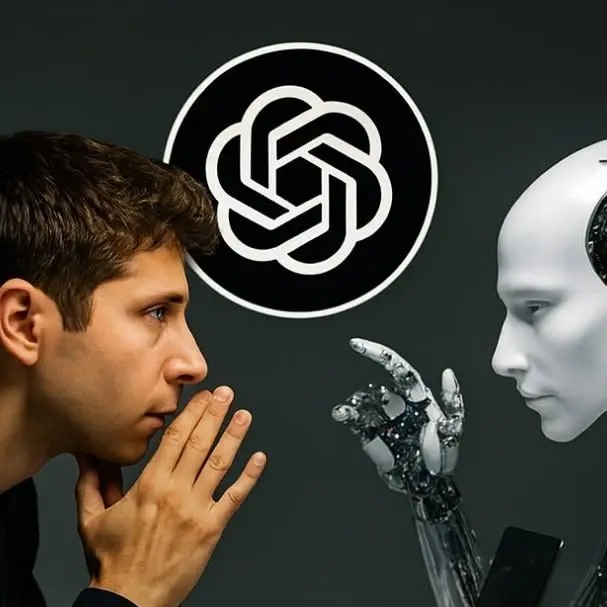
Artificial intelligence has become part of our daily lives. Tools like ChatGPT help us write, learn, research, solve problems, and even generate ideas within seconds.
This rise of AI tools has also created a new concept called AI productivity, where technology helps us complete tasks faster and more efficiently than ever before.
For many people, including me, ChatGPT has started to feel like a personal assistant. As someone working in digital marketing, I often explore how technology and AI tools can improve productivity and creativity. amdajmal.com
Need content? Ask ChatGPT.
Need an explanation? Ask ChatGPT.
Need ideas? Ask ChatGPT.
Everything comes from one place, and the answers arrive almost instantly.
At first, it feels amazing.
But after some time, I noticed something unexpected.
When Convenience Becomes Dependency
I started using ChatGPT for almost everything, like a teacher, a content creator, and sometimes even like a doctor for quick answers.
Most of the time, I would just type one simple line describing what I wanted. Within seconds, the tool would generate a full response.
It was fast. Efficient. Convenient.
But slowly, something began to change.
When I tried to think about ideas on my own, I felt stuck.
The thoughts that once came naturally weren’t coming anymore. My mind felt slower, almost like a mild brain fog.
That was the moment I started questioning something important:
Was I really using AI as a tool…
Or was I slowly depending on it to do my thinking?
A Simple Idea That Changed My Approach
One day, while scrolling through social media, I came across a simple idea that stuck with me.
Instead of asking AI with just one line, try this:
Think about your own idea first.
Then ask AI to refine it.
It sounded simple, but it made a lot of sense.
So I decided to try it.
Instead of typing a quick request like “write a post about productivity,” I started writing my own thoughts first. My ideas, my perspective, and my rough structure.
Only after that did I ask ChatGPT to improve the wording or organize the content better.
And the difference was surprising.
The Results Felt More “Human”
The outputs suddenly felt different.
They were still polished and clear, but they also felt more personal and authentic. They reflected my thoughts instead of replacing them.
It felt like collaboration rather than dependency.
That’s when I realized something important:
AI works best when our brain works with it.
Not instead of it.
The Real Balance Between Brain and AI
Artificial intelligence is one of the most powerful tools we have today. When used correctly, it can save time, increase productivity, and unlock creativity.
But there’s also a risk.
If we stop thinking and start relying on AI for every small idea, we might slowly weaken the very thing that makes our work unique and our own thinking.
The real value of AI isn’t replacing our brains.
The real value of AI isn’t replacing our brains.
My New Rule for Using AI
How to Use ChatGPT Effectively?
Now, whenever I use AI tools, I follow a simple rule:
Think first.
Write my own rough idea.
Then ask AI to refine it.
This small change keeps my brain active while still benefiting from the power of AI.
This experience made me realize something deeper about AI and creativity.
Creativity doesn’t disappear when we use AI. But it can weaken if we stop thinking and let AI generate everything for us.
The Funny Part
Yes, I still used ChatGPT to polish parts of this article.
But this time, the idea came from my own mind first.
And maybe that’s the best way to work with AI in the future:
Not Brain vs AI.
But Brain + AI.
When used correctly, AI tools should become AI tools for thinking, not tools that replace thinking.
They should challenge our ideas, improve our thoughts, and help us express them better.
If you enjoyed this article, explore more insights about digital marketing and technology on amdajmal.com.
